- Blog
- February 24, 2026
How AI-Powered Validation Engineering Will Redefine Quality and Compliance Staffing in 2026

- Blog
- February 24, 2026
How AI-Powered Validation Engineering Will Redefine Quality and Compliance Staffing in 2026
The acceleration of digital transformation and cloud-native systems means that traditional validation and regulatory assurance models are no longer sufficient. At the same time, regulatory scrutiny across industries such as life sciences, healthcare, manufacturing, and financial services continues to intensify.
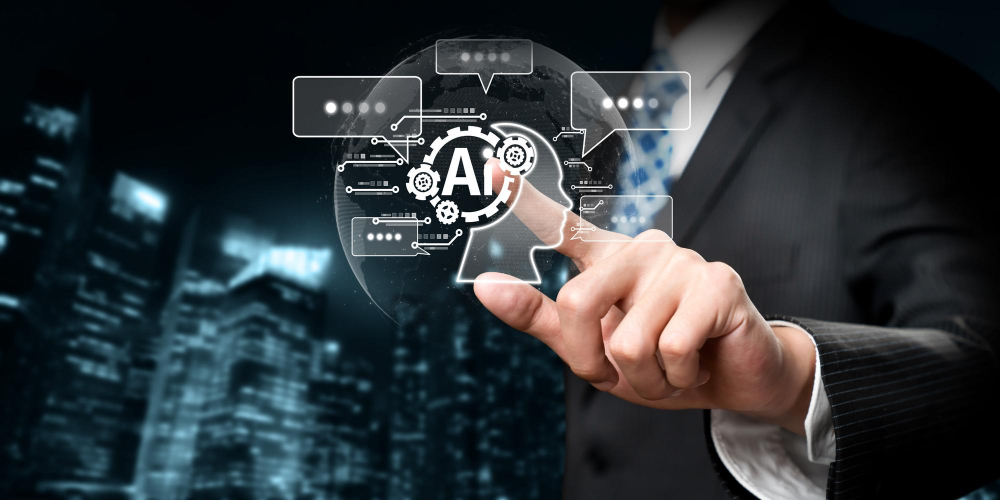
In 2026, AI-powered validation engineering is no longer an emerging concept. It is becoming a necessity for organizations operating in regulated and fast-evolving digital environments. Enterprises must ensure that systems are not only high performing but also compliant, traceable, and audit-ready in real time. This transformation is redefining how quality teams operate and how organizations build and staff validation functions for the future.
Why Traditional Validation Models Are Breaking Down
Conventional validation approaches were designed for slower release cycles and more stable environments. Manual test execution, periodic documentation, and post-release audits once provided sufficient oversight. Today, those models struggle to keep pace with continuous integration, DevOps pipelines, and complex digital ecosystems.
Release cycles are shorter, regulatory expectations are higher, and system interdependencies are more complex. Validation teams must deliver faster results without compromising compliance. Manual processes introduce delays and increase the risk of human error. In regulated sectors, even minor validation gaps can lead to compliance issues, operational disruption, or reputational risk.
Validation must therefore evolve from a checkpoint activity into a continuous, data-driven discipline embedded across the development lifecycle.
What AI-Powered Validation Engineering Really Means
AI-powered validation engineering transforms quality assurance from reactive testing into proactive risk management. Instead of relying solely on predefined scripts and manual review, intelligent systems analyze patterns, identify high-risk areas, and prioritize validation efforts dynamically.
Predictive analytics can highlight modules most likely to fail based on historical trends. Automated validation frameworks continuously test performance and compliance controls. Intelligent monitoring tools detect anomalies in real time, enabling teams to resolve issues before they escalate.
The result is not simply faster testing but smarter assurance. Validation becomes aligned with business risk, regulatory exposure, and operational impact. Quality teams shift from executing repetitive tasks to overseeing intelligent validation ecosystems that support continuous compliance.
New Roles Emerging in AI-Driven Quality and Compliance
As validation becomes more intelligent and automated, organizations are redefining the roles required within quality and compliance teams. The future workforce will combine regulatory expertise with advanced automation and AI capabilities.
- AI Validation Engineers
Design and manage intelligent validation frameworks that use AI-driven insights to prioritize testing and support continuous compliance. - Intelligent QA Analysts
Interpret AI-generated testing insights and risk signals to guide validation strategies aligned with business and regulatory priorities. - Compliance Automation Specialists
Embed regulatory controls into automated workflows, ensuring compliance checks run continuously rather than periodically. - Validation Data Analysts
Use validation and operational data to identify patterns, predict risks, and improve quality strategies through data-driven insights. - AI Model Validation Experts
Verify the accuracy, transparency, and compliance of AI models used in regulated environments. - Digital Quality Architects
Align validation frameworks with enterprise architecture, cloud systems, and compliance strategies across the digital ecosystem.
Critical Skills for the 2026 Validation Workforce
To support AI-driven validation environments, organizations must invest in a blend of technical, analytical, and regulatory capabilities.
- Understanding of AI and automation in validation contexts
- Strong knowledge of regulatory standards and audit frameworks
- Data-driven quality analysis and risk-based validation thinking
- Experience with cloud platforms, DevOps, and continuous testing environments
- Ability to translate compliance requirements into automated controls
- Cross-functional collaboration across engineering, compliance, and operations
Developing these hybrid capabilities internally can be challenging as demand for AI and compliance expertise continues to grow.
Talent Gaps and Staffing Challenges in AI-Driven Validation
The transition to AI-powered validation is exposing structural talent gaps across regulated industries. The challenge is not simply a shortage of QA professionals but the scarcity of hybrid experts who understand automation, regulatory frameworks, and enterprise-scale systems.
- Shortage of Hybrid Expertise
Professionals who combine AI-driven automation skills with regulatory validation experience remain limited in the market. - Upskilling Pressures on Existing Teams
Traditional validation teams often lack exposure to predictive analytics and intelligent automation tools, requiring structured upskilling initiatives. - Retention Risks in a Competitive Market
Validation engineers with AI capabilities are in high demand across industries, making retention increasingly difficult. - Scaling Challenges During Transformation
Validation demand often spikes during cloud migrations and digital initiatives, while fixed internal teams struggle to scale quickly. - Need for Flexible Workforce Models
Organizations are shifting toward adaptive staffing strategies that blend internal teams with specialized external expertise.
These realities are prompting enterprises to rethink how they build and sustain validation capabilities for AI-driven environments.
Building the Future of AI-Driven Validation Teams
The future of quality and compliance staffing will depend on strategic workforce planning. Organizations must treat validation as a core pillar of digital transformation and risk management rather than a support function.
Successful enterprises will adopt blended talent models that combine internal expertise with specialized external support. Continuous upskilling will help traditional QA professionals transition into intelligent validation roles. Flexible staffing approaches will allow organizations to scale expertise based on project demands and regulatory complexity.
MSR Technology Group supports this transformation by providing experienced validation engineers, automation specialists, and compliance-focused professionals aligned with AI-driven quality strategies. With deep experience across regulated industries, MTG enables organizations to build scalable validation teams that balance speed, compliance, and operational resilience.
As AI continues to reshape enterprise systems, validation engineering will become a defining factor in regulatory confidence and business continuity. Organizations that invest in the right talent today will be better positioned to deliver compliant, high-quality solutions in an increasingly automated future.